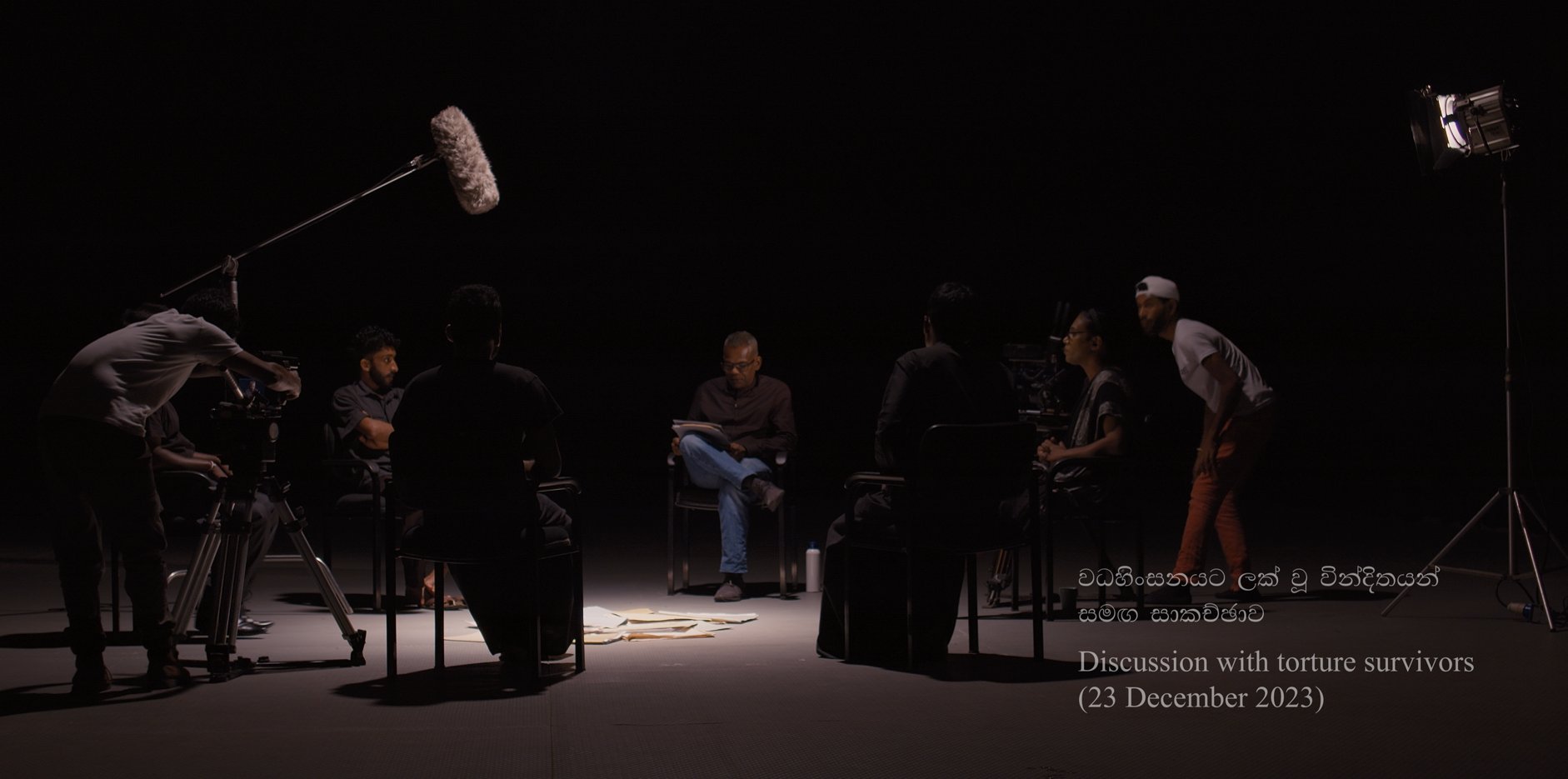
Thirty-Two (32) is a documentary film by Visakesa Chandrasekaram. It was premiered in Colombo on 13th December 2025, as the inaugural film in the Human Rights Film Festival organized by Law & Society Trust.
32 is a must watch. It is a stark reminder of a darker past. What we conveniently forget. Or maybe what we are compelled to forget, to continue to live and work and be ‘normal’. (Is that even ever possible after youth uprisings, mass killings, a protracted war of almost 30 years, state violence, extra-judicial killings, torture camps, mass graves – as this list grows, I am perplexed to realize how we have expanded on and internalized a vocabulary that seems largely unhealthy, and notably violent.)
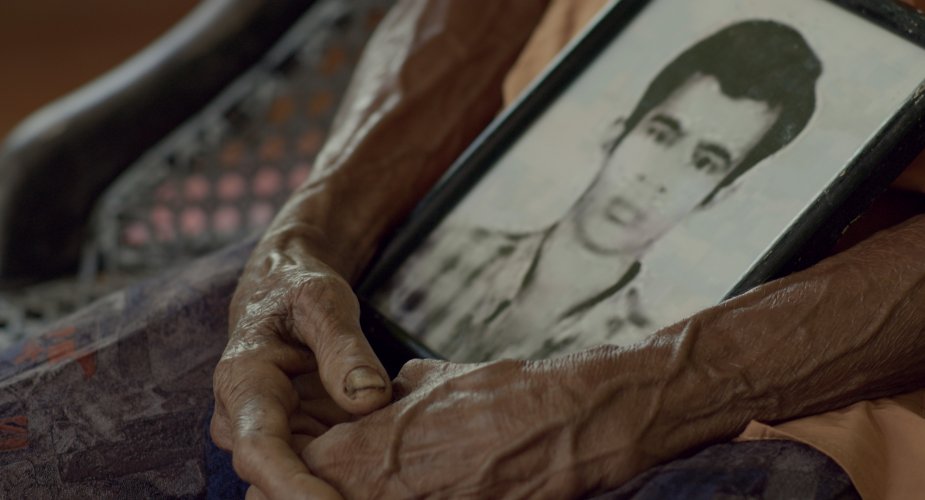
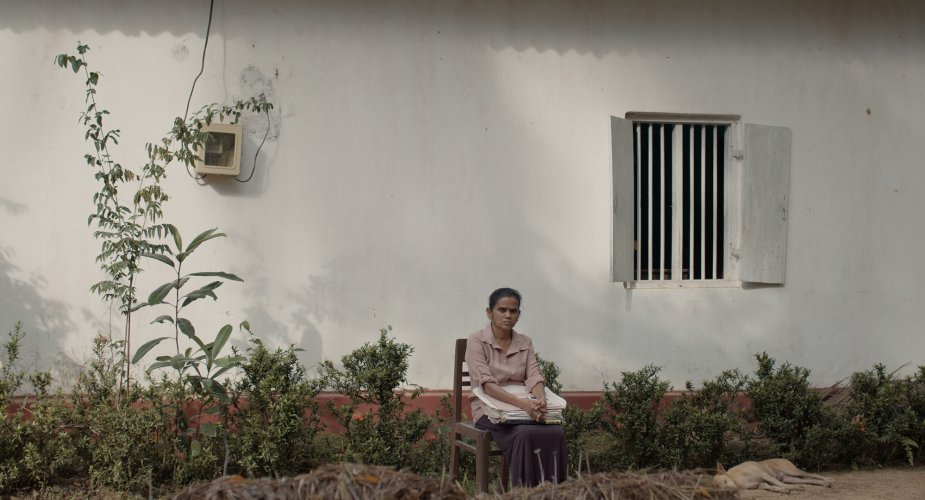
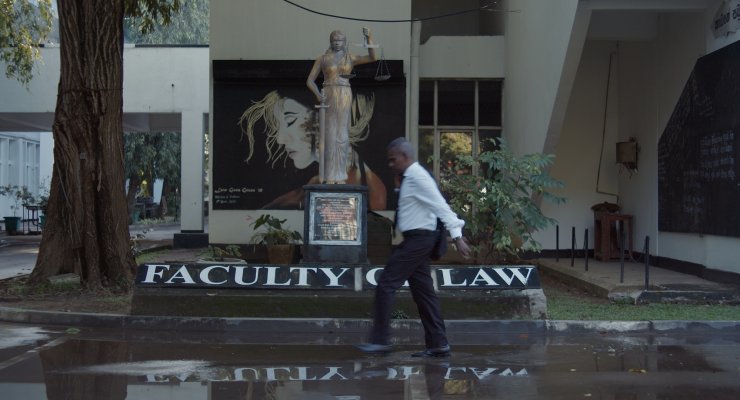
With 32, Chandrasekaram uniquely enters his own film–as a filmmaker, lecturer in law, and activist–becoming its driving force on both sides of the lens. The film is inspired by Amitha Priyanthi, whose fight for justice after her brother Lasantha was tortured to death in police custody is what forged her into an activist. Through a blend of dramatization and documentary testimony, the film grapples with Lasantha’s story and his family’s fraught journey through grief, activism, and acceptance.
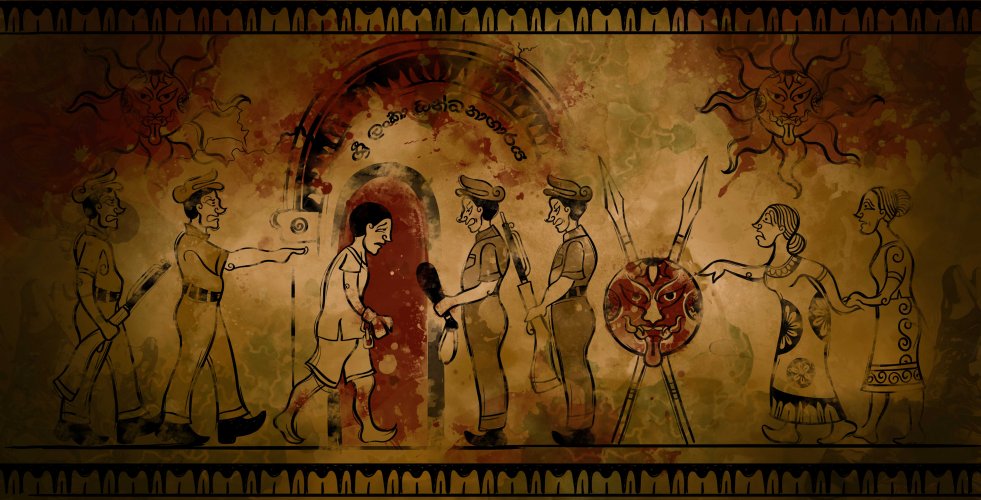
Continuing to grapple with difficult subject matter, the director uses illustrations to visualize the disturbing nature of various torture methods. The film’s use of these illustrations are reminiscent of temple paintings from the Jathaka stories, rendered in a cartoonish style.
The documentary unfolds with the addition of group discussions with retired police officers, legal professionals and ultimately with survivors of torture. It is important to register how the discussion with the retired police officers start with a clear statement of the impossibility of any form of violence while in custody, but within a short span goes on to explore the extent of violence that is perceived necessary to ‘extract the truth’. It is even more alarming to see how death is discussed as they explore possibilities. However, the most unsettling of these conversations is the discussion with those young men who have survived police torture. These men clearly state how they struggle with their lives, to this day, both physically and mentally, having to still continue medical treatment.
Chandrasekaram also harks back to his days as a law student, to reveal a shocking spatial irony. The university buildings where he suffered ragging were the very sites that, not too long before, housed torture camps and subsequent mass graves.
32 is not an easy watch. It talks about too many damaged lives. It makes us note how perpetrators remain blind to the deeper damage they inflict upon themselves.
However, as we collectively watch the film, it becomes a shared history. In bearing witness to another’s pain, we find memories that liberate.
[All uncaptioned images are stills from the film.]
තිස්-දෙක නැරඹිය යුතුම චිත්රපටයක්.
තිස් දෙක (32) විසාකේස චන්ද්රසේකරම්ගේ වාර්තා චිත්රපටයක්. 2025 දෙසැම්බර් 13 වන දින කොළඹ තරංගනී චිත්රපට ශාලාවේදී නීතිය හා සමාජ භාරය නම් ආයතනය විසින් පැවැත්වූ මානව හිමිකම් චිත්රපට උලෙලේ සමාරම්භක චිත්රපටය ලෙස එය තිරගත කෙරුනා.
චන්ද්රසේකරම් චිත්රපට අධ්යක්ශවරයෙක්, නීතිය පිළිබඳ ආචාර්යවරයෙක් සහ සමාජ ක්රියාකාරිකයෙක් හැටියට මේ චිත්රපටයේ තිරය පිටුපසින් වගේම අපට පෙනෙන රූප පෙලේ කොටසක් හැටියටත්, තමන්ගේ නිර්මානයට අවතීර්න වෙනවා. පොලිස් අත්අඩංගුවේ සිටියදී වධහිංසාවලට ලක්වෙලා මරනයට පත්වුනු අමිතා ප්රියන්තිගේ සහෝදරයාගේ කතාව, මේ චිත්රපටයට ප්රස්තුතය වෙනවා. අමිතාගේ සහෝදර ලසන්තට සිදුවූ අයුක්තියට එරෙහිව ඇය මූලික කරගෙන ඒ පවුලේ උදවිය නීතිය හමුවේ ගෙනගිය සටන සහ ඒ ආශ්රිතව අපේ රටේ මෙවැනි සංසිද්ධී ගැන වඩාත් පුලුල් සාකච්ඡාවක් ඇති කිරීමට චන්ද්රසේකරම් මේ චිත්රපටය තුලින් උත්සාහ ගන්නවා.
චිත්රපටයේ මූලික කතාවට ආධාරකයක් ලෙස, එහිදී කන්ඩායම් සාකච්ඡා වට කිහිපයක් යොදා ගැනීම විශේශයි. විශ්රාමික පොලිස් නිලධාරීන් පිරිසක්, නීති වෘත්තිකයින් පිරිසක් සහ පොලිස් අත්අඩංගුවේදී වධහිංසාවට ලක්වුනු වෙනත් තරුනයෝ කීපදෙනෙක් මේ විදියට සාකච්ඡාවලට යොදා ගන්නවා. භයානක වෙන්නේ මෙහෙම රාජ්ය හිංසනයට ලක් වෙලා නැවත ඉන් මිදෙන්න ලැබුනු මේ තරුනයින් කියනවා, මේ පීඩිත සිදුවීම් වලින් අවුරුදු කීපයකට පස්සෙත් ඒගොල්ලො විවිධ වූ අසනීප තත්වයන්ට ගොදුරු වෙනවා, මානසිකව පීඩා විඳිනවා, කියලා. ඒ නිසා තවම බෙහෙත් ගන්න සිදුවෙලා කියලා.
මේ චිත්රපටය අපේ සමාජය නැරඹිය යුතු චිත්රපටයක් වෙන්නේ, එතුලින් දිගින් දිගටම ත්රස්තභාවයට පත්වුනු අපේ සමාජය, ක්රමිකව ඉන් මිදීමට අවශ්ය පියවර ගැනීමේදී අපේම හැසිරීම් ගැන අවබෝධයක් ලබාගන්න මේක උදව්වක් වෙන නිසා. ඒවගේම අපේ සමාජය වසර ගනනාවක් පුරා දේශපාලනීකරනය වීම, මනුශ්යත්වය පිලිබඳ අවතක්සේරුව, බලයේ ආධිපත්යය යනාදී තත්වයන් තුල සමාජයට වැඩක් කල හැකි තරුන ජීවිත හා ඒ වටා ගොනු වුනු පවුල් සංස්ථා නිරපරාදේ පීඩාවටත් දරාගත නොහැකි අහිමිවීම් වලටත් ලක් වීමේ ඊලග ප්රතිවිපාක වලක්වාගැනීම ගැන සක්රීයව සාකච්ඡා කරන්න මෙවැනි මතකයන් බෙදාහදා ගැනීම වැදගත් වන නිසා.

පැරනි රජකාලයේ බලපැවැත්වූ දෙතිස් වද සිහිගන්වමින් නාමකරනය වී ඇති චන්ද්රසේකරම්ගේ මේ වාර්තා චිත්රපටය නැරඹිය යුතුම වූවක්.
ඒ වගේම අපේ අධ්යයනය එතනින් එහාටත් යන්න ඕනෙ. Robert Knox ගේ An Historical Relation of the Island Ceylon වගේම Michel Foucault ගේ Madness and Civilization, Discipline and Punish වැනි පොත් කියවන්නටත් අපගේ ඉතිහාසයත් වර්තමානයත් නැවත නැවතත් පිරික්සමින්, අනාගත පරම්පරාවට ඉතිරි කරන්නේ මොනවාද කියල අලුතෙන් හිතන්නත් දැන් කාලය බව අපි තේරුම් ගන්න අවශ්යයි.
Leave a Reply